
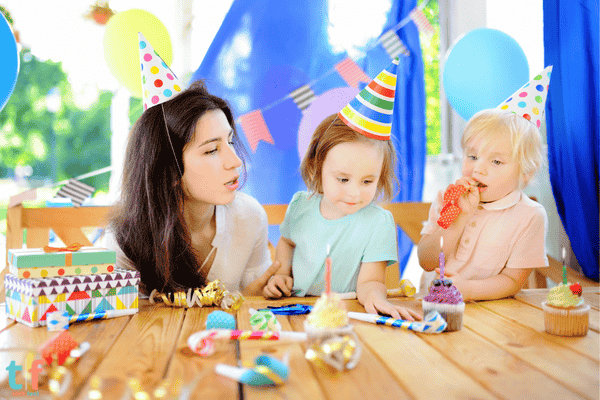
Throwing a children’s birthday party at home can be a joyful and intimate experience. However, as any experienced parent or party planner knows, a successful celebration must go hand-in-hand with safety. With kids running around, playing games, and eating treats, the risk of accidents rises if basic precautions aren’t taken.
The good news? Creating a secure party environment doesn’t require professional expertise—just awareness, preparation, and attentiveness.
In this article, you’ll discover how to:
- Prepare your home to prevent accidents
- Ensure food safety for little guests
- Choose and monitor safe games and activities
- Protect children from hidden household hazards
- Create a comfortable, controlled party environment
Let’s explore the best strategies to make sure that your celebration is not only fun—but also accident-free.
Preparing the Space for a Safe Party
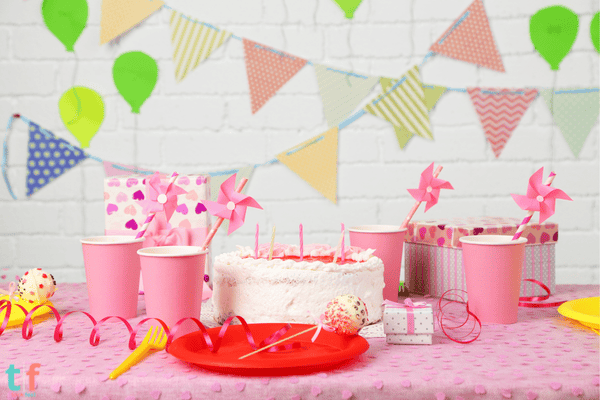
1. Choosing the Right Area
Decide whether to host the party indoors or outdoors, and examine the space from a child’s perspective:
- Remove tripping hazards such as loose rugs or slippery mats.
- Use baby gates or furniture to block off staircases.
- Avoid hosting play activities near sharp-edged furniture or glass tables.
For backyard parties:
- Clear away gardening tools, rocks, and debris.
- Fill holes or uneven spots in the ground to prevent falls.
- Keep pets in a separate area to avoid accidental bites or scratches.
2. Protecting Furniture and Fragile Items
Kids are naturally curious. Protect fragile items using:
- Soft covers for sharp corners (foam or rubber bumpers)
- Removing decor that can be pulled down (like tablecloths or vases)
- Securing tall furniture against tipping
Put away breakables, remote controls, and valuables well in advance.
3. Outdoor Setup and Safety
If your party is in the yard, establish boundaries for play zones:
- Use fencing or visual markers to contain the play area.
- Keep garden hoses and tools out of reach.
- Avoid letting kids play near driveways or garages.
Supervise closely, especially near inflatable equipment or pools.
Food and Drink Safety
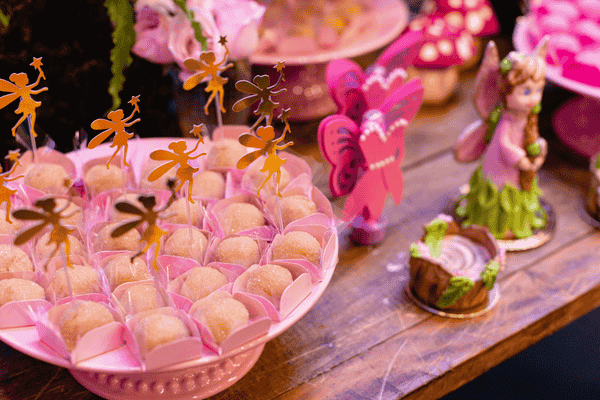
1. Child-Friendly Foods
Avoid serving food that poses a choking hazard:
- No whole grapes, hard candy, large nuts, or popcorn for toddlers
- Always cut fruits into small pieces
- Sandwiches should be soft and crust-free
Have adults or older children monitor food tables, especially if younger kids are helping themselves.
2. Drink Monitoring
If there are adults drinking alcohol at the party:
- Clearly separate the kids’ beverage table from the adult area.
- Never leave alcoholic drinks unattended within children’s reach.
- Stick with juices, milk, and water in fun cups or bottles for children.
3. Hygienic Food Handling
Always:
- Wash your hands before prepping food
- Keep cold foods refrigerated until serving
- Use separate utensils for serving different dishes
Opt for individual portions when possible to reduce cross-contamination.
Keeping Games and Activities Safe
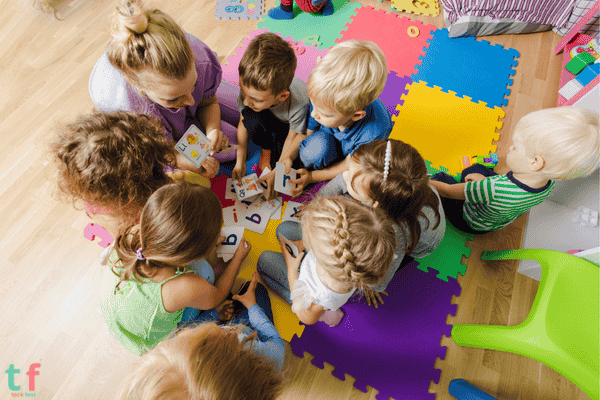
1. Choosing Safe Games
Skip games that involve:
- Heavy or sharp objects
- Overly competitive or aggressive physical play
- Equipment that’s too advanced for young children
Instead, opt for:
- Balloon games
- Face painting with non-toxic paint
- Sack races or treasure hunts with adult supervision
Match the complexity of games to the age group to ensure everyone can play safely.
2. Supervision is Key
Assign at least one adult to each game or activity area. Their job is to:
- Explain rules clearly
- Ensure no pushing or crowding
- Watch for signs of distress or exhaustion
Use name tags or color-coded wristbands to group children by age or team.
3. Avoid Overcrowding
Children get overwhelmed in tightly packed spaces. Avoid this by:
- Dividing large groups into smaller play circles
- Rotating games by time slots
- Using multiple activity zones around the party space
Let kids enjoy themselves in calmer settings, minimizing accidental bumps or falls.
Electronics and Household Hazard Prevention
1. Keep Electrical Cords Hidden
Kids can trip or chew on cords. Use:
- Cord organizers or covers
- Tape to secure wires along walls
- Outlet covers on unused sockets
Keep sound systems, lights, and cooking devices out of reach or under adult control.
2. Monitor Appliances
If you’re cooking or using heaters, fans, or microwaves:
- Block access with baby gates or barriers
- Don’t leave appliances running unattended
- Keep handles of pots and pans turned inward
Make sure all appliances are in good working condition and cords are insulated.
3. Balloon and Inflatable Safety
Balloons, while festive, can be risky:
- Latex balloons can pop and become choking hazards—supervise younger kids
- Always clean up balloon fragments immediately
- Watch children on bounce houses or inflatables—limit the number at a time and require socks
If using inflatables, ensure they are securely tied down and inspected beforehand.
General Safety Tips for Kids’ Parties
1. First Aid Accessibility
Have a basic first-aid kit within easy reach:
- Bandages, antiseptic wipes, and tweezers
- Ice packs for bumps or sprains
- Allergy medication (if pre-approved by a parent)
Assign one adult as the go-to safety supervisor in case of emergencies.
2. Be Aware of Allergies
Ask parents in advance:
- Does their child have any food allergies?
- Are they allergic to pets or latex?
- What should be done in case of an allergic reaction?
Label all foods clearly, and separate allergy-safe snacks when needed.
3. Comfort and Temperature
Comfort is part of safety. Keep in mind:
- If outdoors, offer shaded areas and hydration stations
- Indoors, regulate the temperature to avoid stuffiness
- Provide child-sized chairs or cushions
Also, leave room to move. Overstuffed rooms lead to accidents and anxious guests.
Create a Safe Celebration with Peace of Mind
A safe party is a successful party. Children remember laughter and games—not scraped knees or broken toys. By following the guidelines above, you provide a space where parents can relax, and kids can play freely.
From food handling to activity zones, every small precaution matters.
🎉 What safety tip do you think is most important at a party?
Have you hosted a kids’ event and learned a valuable lesson?
Share your experience in the comments—we’d love to hear from you!

Chloe Turner is a specialist in event planning and decoration, focusing on providing creative, practical, and budget-friendly solutions for parties. On TockFest.com, she shares the latest trends, tips, and innovations to help readers turn any celebration into a memorable experience. Chloe is dedicated to offering up-to-date and relevant content, ensuring that her audience has access to the best practices and ideas for creating beautiful, unique parties.